How China governs AI — and where it meets Europe’s rules
China regulates AI earlier, faster and more granularly than almost any jurisdiction, but with the opposite philosophy to the EU AI Act: targeted rules per technology wave instead of one framework. We explain both rulebooks and the places they collide.
-

Open Weights, Two Meanings: What China’s Four-Model Month Reveals
Four Chinese labs shipped frontier open-weight models in a month. The speed is the obvious story. The licences are the real one — and Hugging Face download data shows the market has already noticed.
Latest
All in this section →-
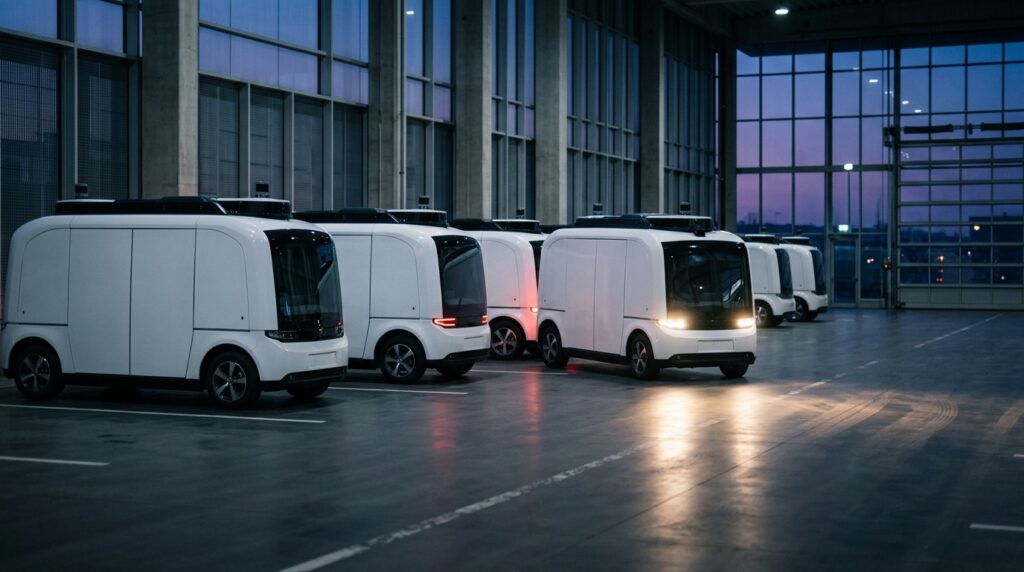
Momenta: The First Chinese AV Company Licensed Germany-Wide
The KBA’s first-ever nationwide L4 approval for a Chinese firm, Munich robotaxi tests with Uber from 2026, and years of…
-

AI Without Nvidia: China’s Silicon Declaration of Independence
DeepSeek runs on Huawei chips, SMIC profits triple, 90% domestic chip share in sight — how US export controls accelerated…
The rulebook
Four rules, each answering one technology wave.
Algorithm Recommendation Provisions
The foundation: recommendation algorithms must be registered with the regulator, and users can opt out of personalisation.
Deep Synthesis Provisions
Rules for deepfakes and synthetic media, with consent and labelling duties.
Interim Measures for Generative AI
The core rulebook for chatbots and generative models: security assessment before launch, moderation duties, data-quality requirements.
AI Content Labelling Rules
Mandatory visible and embedded labels for AI-generated content across Chinese platforms.
Who regulates
Two rulebooks
China and the EU, regulating AI side by side
Beijing writes targeted rules, one technology wave at a time. Brussels wrote one framework and phases it in. Dates are when rules take effect.
Graphic: Inside China AI · Sources: Cyberspace Administration of China; Ministry of Commerce draft of 16 October 2026; Regulation (EU) 2024/1689 (AI Act).