Web Summit Dispatch, Day 1 — November 10, 2026
Update, 15 November
Our full report from Lisbon is out: The Lisbon China Report — open by design, built as hardware →
Photo: Inside China AI
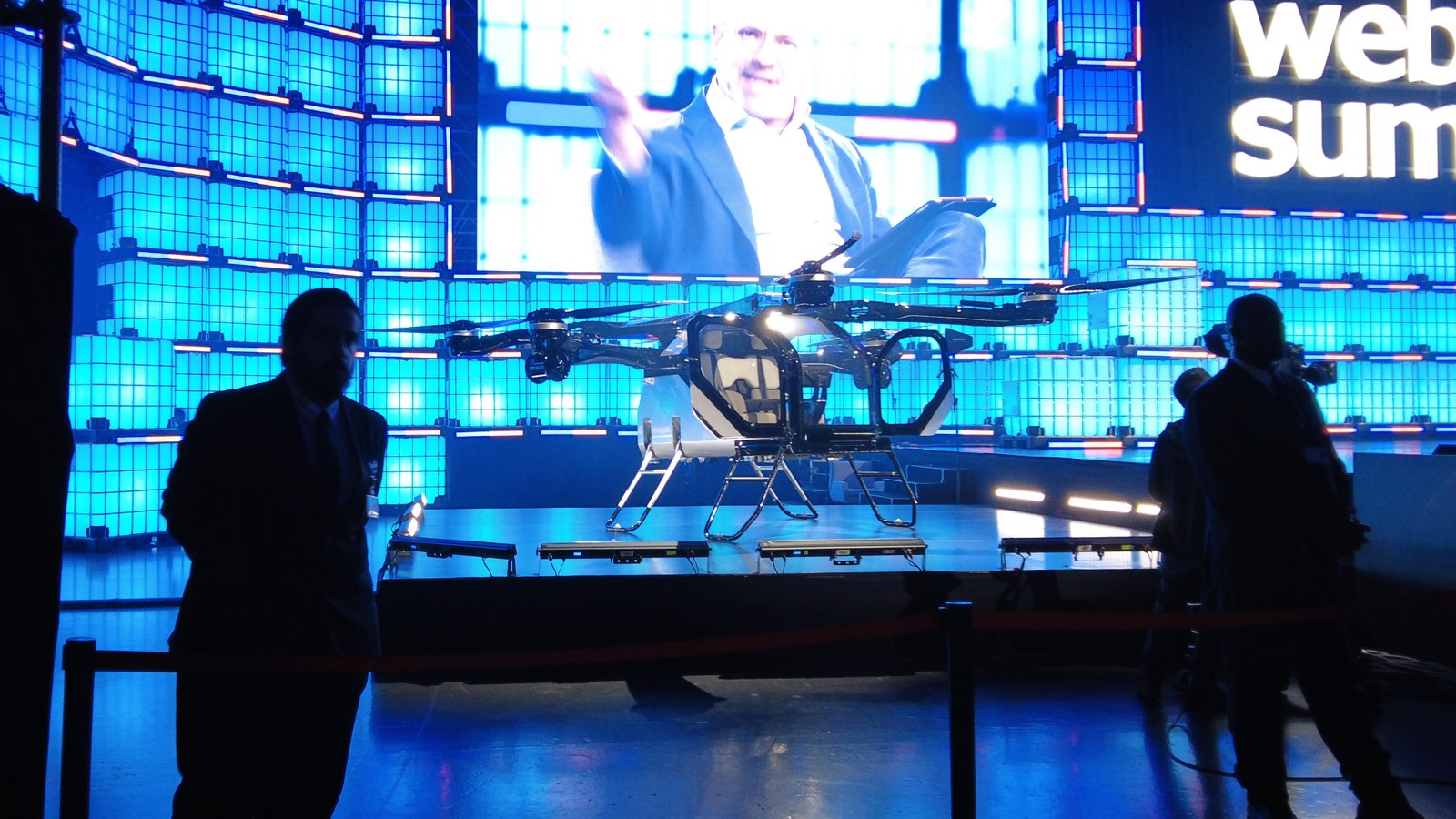
The first conference day in Lisbon brought two Chinese messages to the stages. The first was hardware: Xpeng Aridge put its flying car on Centre Stage, told the press that Xpeng should be seen as a physical AI company, and named 2028 as the year it hopes people can fly. The second was openness: "We have been open since day one, so that is not a choice, it's actually a design," MiniMax's Alan Shen said. Richard Socher of You.com and Recursive offered the counterpoint: his team built a model in three and a half months that, he said, beats the Chinese open-source models in its category.
Companies & Startups · Mobility
■ Xpeng Aridge showcases flying car and outlines plans
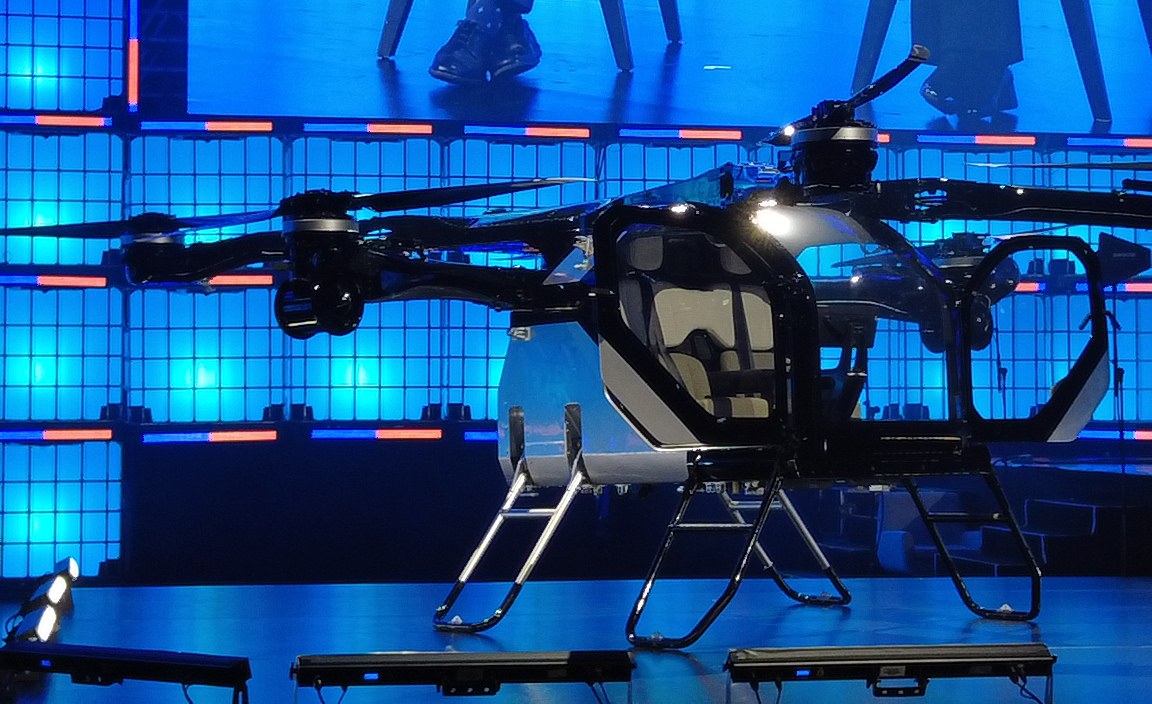
The story: Xpeng Aridge brought its flying car to Centre Stage, said Xpeng should be seen as a physical AI company, and named 2028 as the year it hopes people can experience flying.
- On Centre Stage, founder and president Deli Zhao said his hope is that everyone can experience flying in 2028, first in China at scenic sites and flying camps (Inside China AI, on site).
- Zhao said Xpeng Aridge wants to use Web Summit to introduce its flying car to Europe and hopes to enter the European market as soon as possible; in traditional aviation it can learn from EASA, while in new eVTOL aircraft "China is still ahead" (Inside China AI, on site).
- He said the aircraft needs national certification in each market and that Xpeng Aridge is working on mutual-recognition agreements with the United Arab Emirates and South-East Asia (Inside China AI, on site).
- At the press conference, asked whether Xpeng is a carmaker or something else, Xpeng Aridge said Xpeng should be seen as a physical AI company, with Aridge as the part for flying products (Inside China AI, on site).
- Xpeng Aridge said it is looking at the US market, possibly from 2027, and that the flying car should be priced under 2 million yuan (about 250,000 euros) (Inside China AI, on site).
Why it matters for Europe
The aircraft still needs certification market by market, and Zhao named EASA as the reference point for Europe. Xpeng Aridge presents itself as a learner in traditional aviation but a leader in eVTOL, a claim European regulators will test before anyone flies here.
Models & Technology · AI models
■ MiniMax and ModelBest discuss open-source AI models

The story: MiniMax and ModelBest presented openness as a principle, the developer community as a co-developer, and built-in safety as their answer to misuse.
- "We have been open since day one, so that is not a choice, it's actually a design," said Alan Shen of MiniMax (Inside China AI, on site).
- Letting the developer community post-train the models is "one of the best possible feedback loop[s]", he said; the community does things "our engineers could not have thought about" (Inside China AI, on site).
- Asked how to balance access and risk, ModelBest's Dahai Li said: "Once a car leaves the factory, the automaker cannot control how someone drives it," so "we build airbags and brakes right into a vehicle" (Inside China AI, on site).
- Li said ModelBest cleans its training data and trains models to refuse dangerous requests, and argued that "making models open actually makes them safer" (Inside China AI, on site).
Why it matters for Europe
European companies and regulators are still unfamiliar with Chinese open-source AI models, as shown by calls for more transparency at the event. Increased openness and community involvement could influence European buyers’ perceptions and regulatory approaches to Chinese AI offerings.
→ Go deeper: our MiniMax profile · our ModelBest profile.
Models & Technology · AI models
■ Richard Socher sets China's open source as the benchmark to beat

The story: Richard Socher of You.com and Recursive played down the risks of self-improving AI and positioned his new model against China's open-source models.
- Socher compared self-improving AI to the internet, which also carries harmful content without anyone slowing the internet down (Inside China AI, on site).
- He said Recursive built its model Flint in three and a half months and that it is "better in its category than any of the other open-source Chinese models" (Inside China AI, on site).
- Asked whether a "Chinese honeypot situation" could put the technology in the hands of another government, he said Recursive plans to be careful about who gets access (Inside China AI, on site).
- "I do think it's important for Europe to also have its own intelligence," Socher said; cheaper model-building means Europe "can also catch up faster" (Inside China AI, on site).
- In drug research, he pointed to Ignota Labs and to human stem-cell models that are more predictive than animal trials (Inside China AI, on site).
Why it matters for Europe
Socher's message to Europe: build your own models, and treat China's open-source models as the benchmark to beat. His claim about Flint is his own and has not been independently tested.
Regulation & Policy · International relations
■ Victor Gao warns Berlin: "double hardball"

The story: Victor Gao of the Beijing-based think tank Center for China and Globalization (CCG) warned Germany and Europe against a tougher line on China.
- Gao said playing hardball against China would be "against the fundamental interest of the German people", given Germany's dependence on raw materials such as rare earths (Inside China AI, on site).
- Describing the Chinese government's position, he said: "If you play hardball with me, I will play double hardball with you" (Inside China AI, on site).
- "China is a country to be engaged with on equal terms for mutual benefit," Gao said, urging Europe to see China as a partner (Inside China AI, on site).
Why it matters for Europe
The message was aimed at Berlin's hardening stance. Gao speaks for a think tank, not for the government, but he framed the "double hardball" line as the Chinese government's position.
■ Seen on the floor
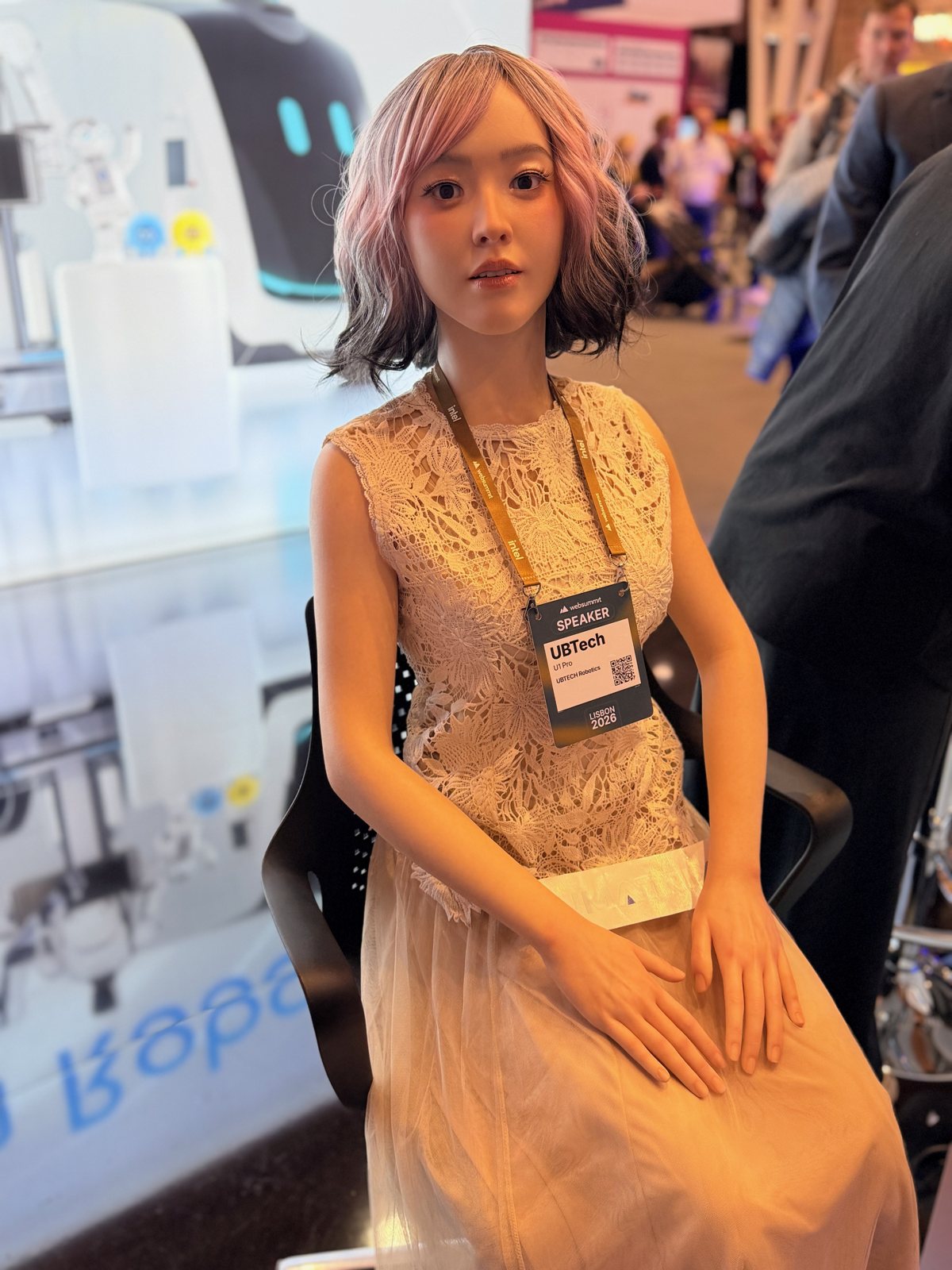
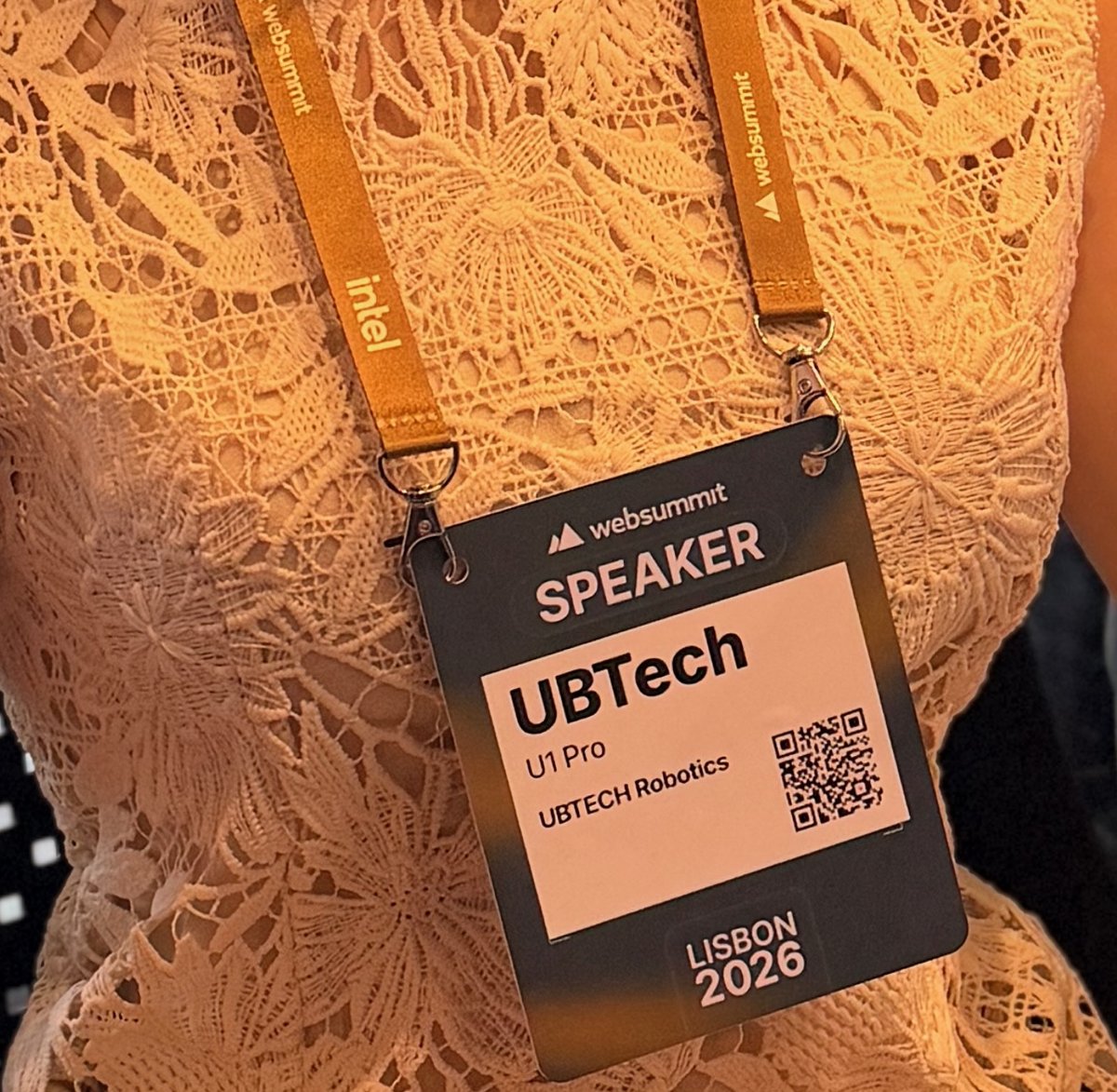
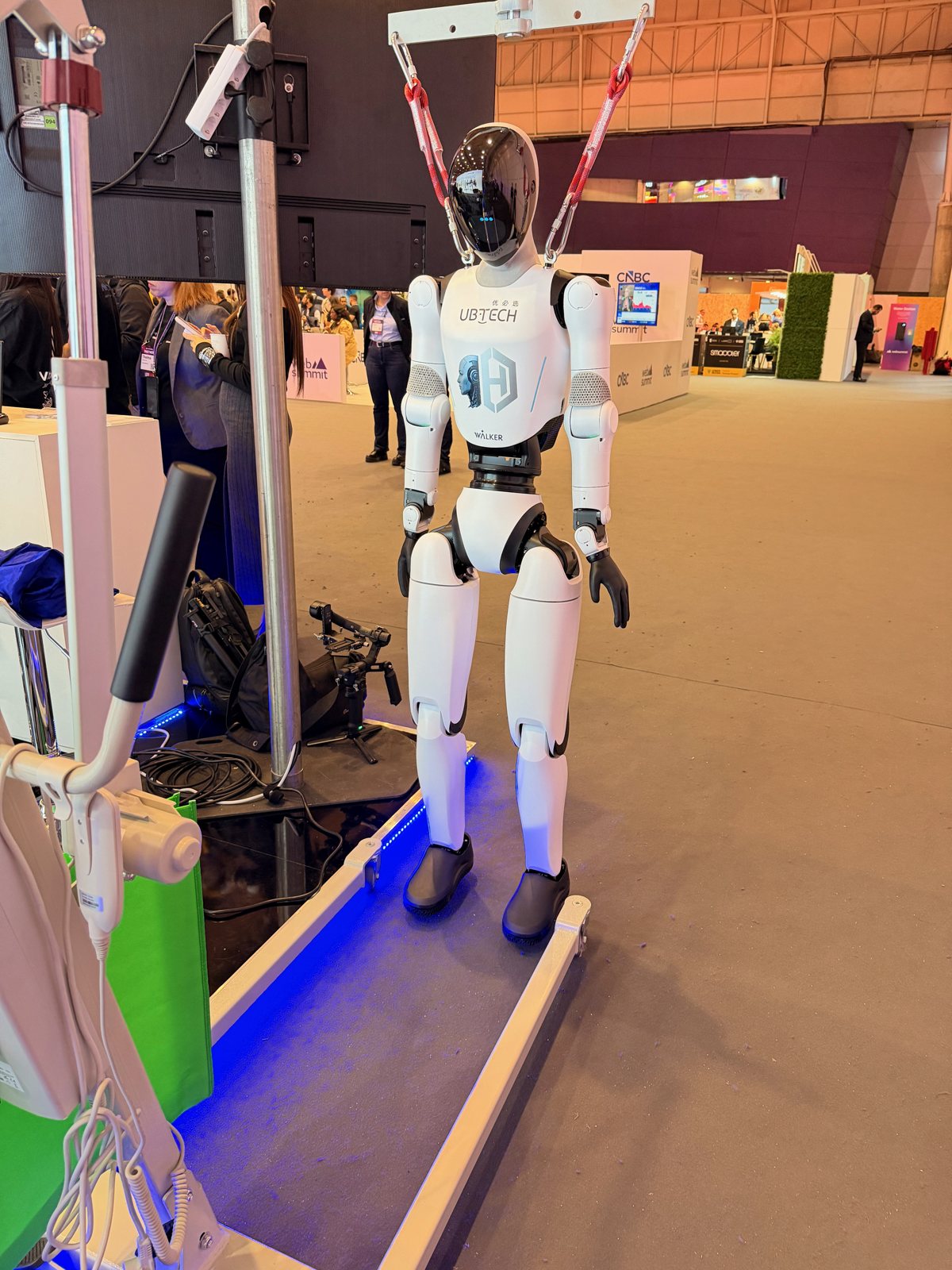
- UBTech. UBTECH Robotics brought its ultra-realistic humanoid U1 Pro, which sat at the company's stand wearing its own Web Summit speaker badge; according to the Web Summit programme, it appeared in Monday's opening session "Welcome to tomorrow" on Centre Stage (Inside China AI, on site).
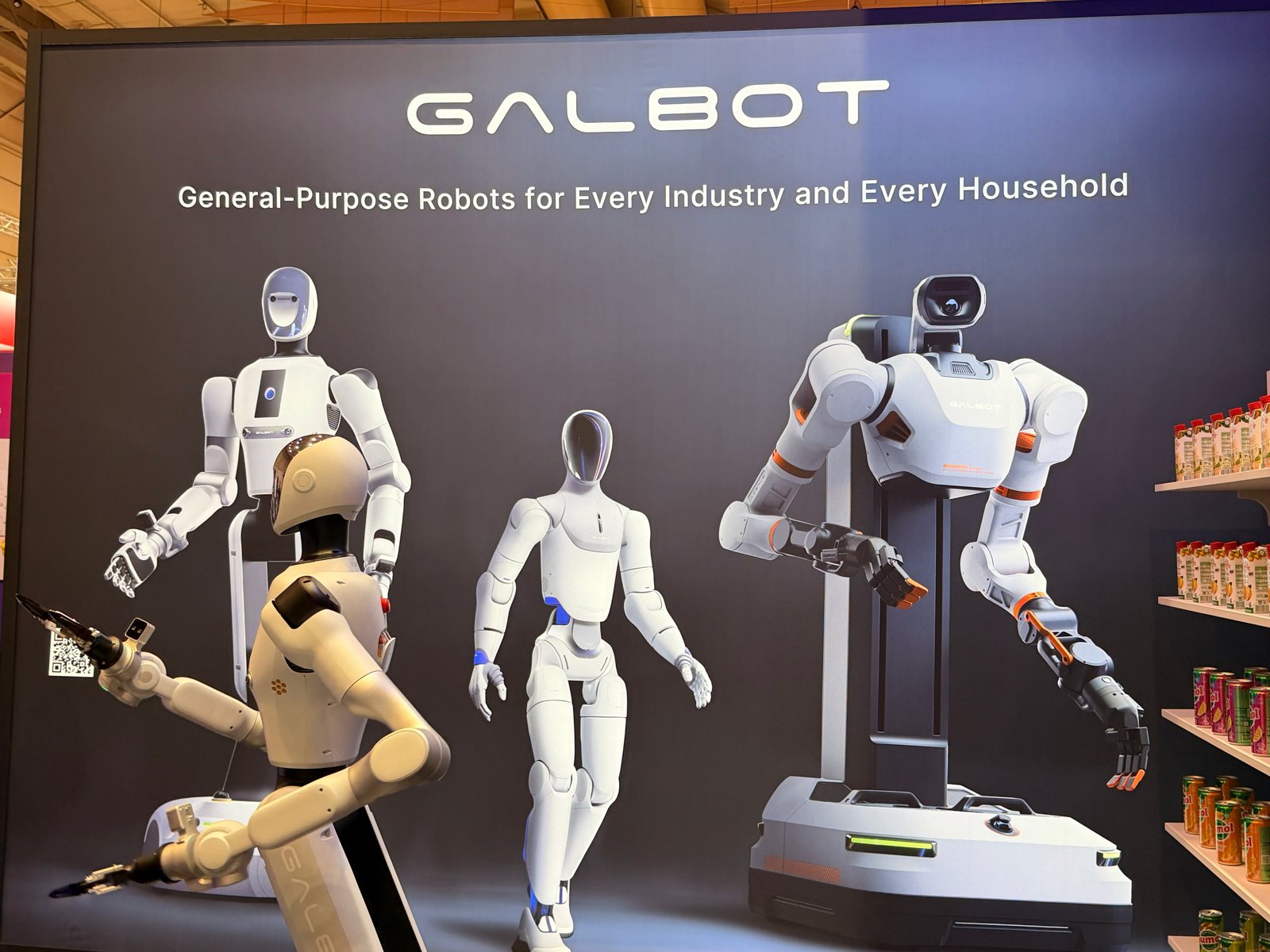
- Galbot. Yuli Zhao, Galbot's CSO, presented the company's full range of projects and products on Stage 13 (Inside China AI, on site).

■ Thursday
- Xiaomi on its "human x car x home" approach; MiniMax in "The race to zero"; Pony.ai on taking robotaxis to global scale; Rokid in "Chinamaxxing: The new era of Made in China".
All our Web Summit coverage, the Chinese delegation and our interviews: Web Summit 2026 hub. Daily dispatches by email: subscribe.
Reported on site at Web Summit Lisbon. Statements by speakers and companies are marked as such; figures we could not verify on the day are labelled company claims. Corrections: press@insidechinaai.com · Our editorial standards.
In the directory: MiniMax · Pony.ai · Xiaomi · Galbot · ModelBest — all companies

No responses yet