After Centre Stage: How Rokid Plans to Win Europe’s Trust
On Web Summit’s biggest stage, Irene Long of Rokid argued that “Made in China” has become a matter of brands. A week later she told Inside China AI what that takes in Europe: local partners, shops where people can try the product, and glasses without a camera.
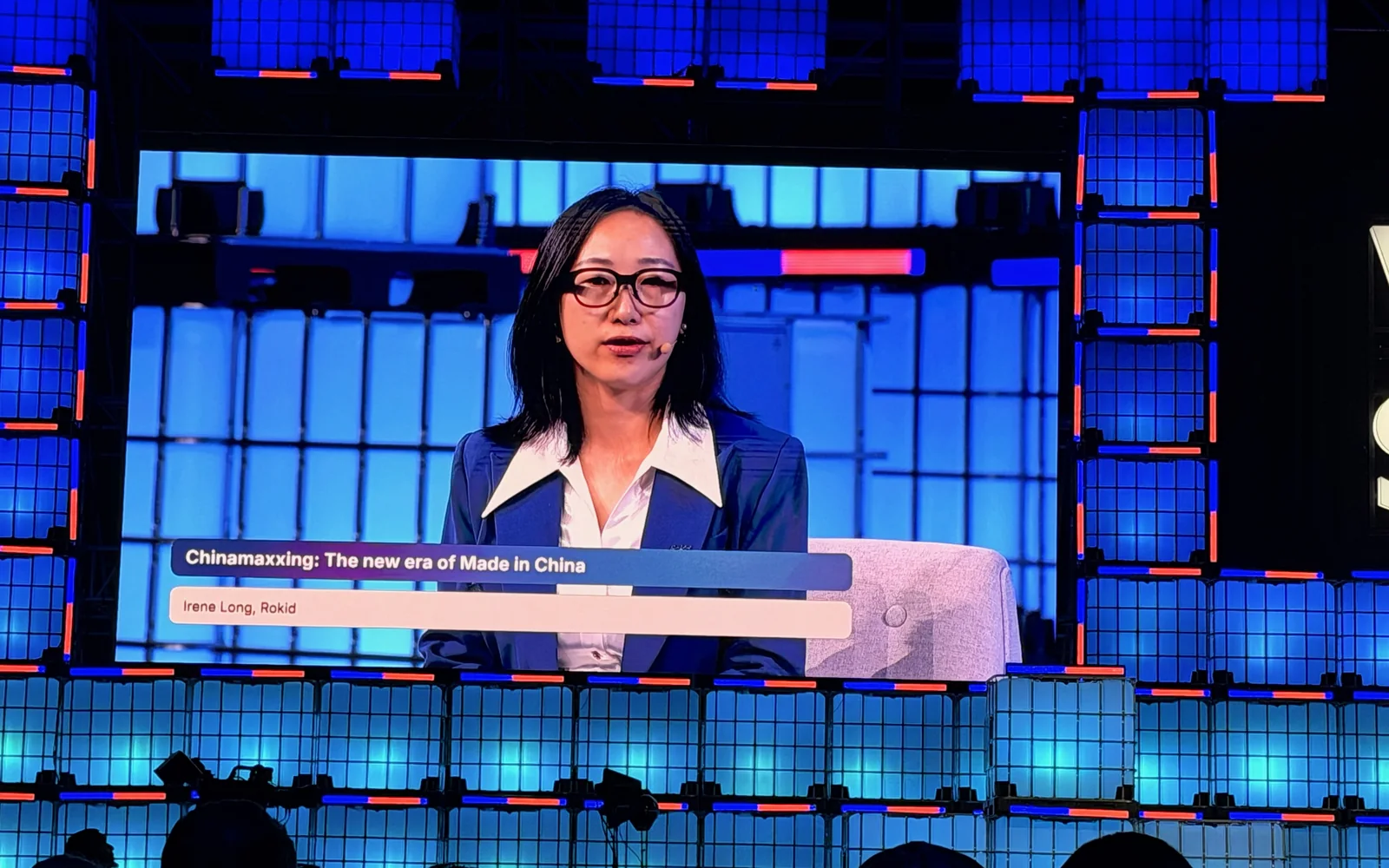
On the third day of Web Summit, Centre Stage turned to a subject Europe has been slow to take up. The session was called “Chinamaxxing: The new era of Made in China”, and Irene Long of Rokid used it to argue that the label now stands for brands and innovation, not only for factories.
The moderator put Europe’s complaint to her directly: China stands accused of producing too much. Long turned the question towards the buyer. “We have to listen to the consumers,” she said. “If the product is really useful for them, at a reasonable price, why not? The consumer makes the decision.”
Asked what the label should mean in ten years, she answered: “I really hope ‘Made in China’ will mean having a new idea in China, creating in China, and building a trusted brand from China for the world.”
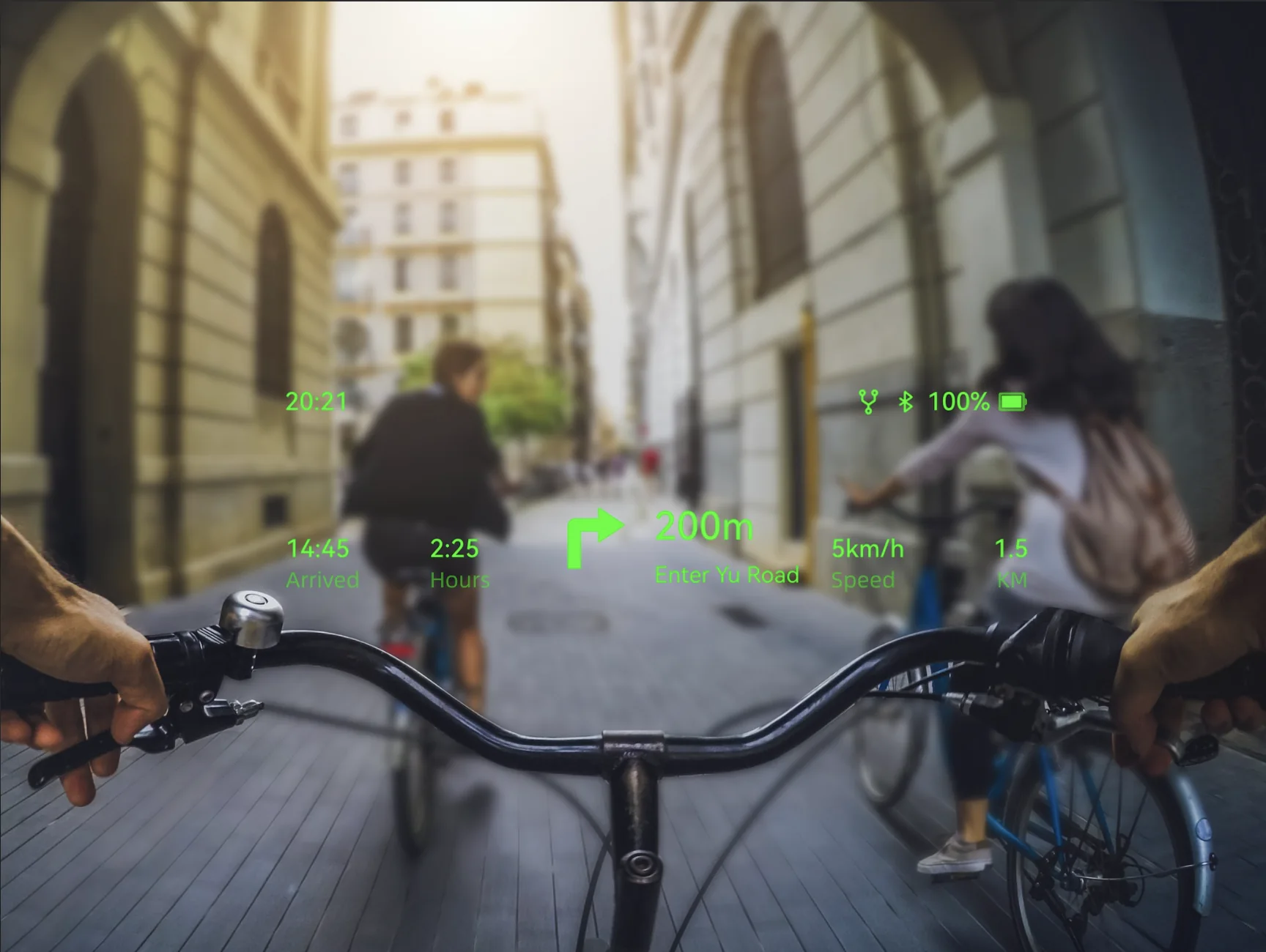
Her company is a fair test of that claim. Rokid, founded in Hangzhou in 2014, builds glasses that put information in front of your eyes: navigation arrows, a live translation, the next line of a speech, shown in green in both lenses of a frame that weighs 49 grams. Across all AI glasses, the research firm Omdia ranked Rokid second worldwide in 2025, behind Meta. In the segment Counterpoint Research calls AR & AI glasses, which covers glasses with a display, Rokid cites figures that put it at 41% of global shipments in the first half of 2026, ahead of Meta.
We had arranged to talk in Lisbon. Then the storm that hit the city during the summit upset the schedule, and the appointment fell through. We caught up by video call a week later, on 20 November. The question we brought was the harder half of her stage argument: what does a Chinese brand have to deliver in Europe beyond a good product?
“It’s a holistic journey”
Long’s answer begins well before the sale. “It’s a holistic journey: from the brand and the product to the customers, their real needs and their feedback, and to a long-term relationship with local partners,” she said. Marketing will not carry it alone: “You build a trusted brand not only with storytelling. You have to be transparent and responsible, also for data security and privacy.”
Europe is not a side project in that plan. “The European market is one of the top three in our global expansion strategy,” Long said. “This year, with April and October, was just a start.” Rokid Glasses went on sale in Germany in April and in France in October.
Shops before clicks
What stands out in Rokid’s approach is how much of it happens offline. “This is not like a smartphone, where everyone knows how to use it,” Long said. “For something this new, people really need a hands-on experience. That is why offline channels are our top priority.”
In France the company works with the optical chain Krys. For Germany, Long said, Rokid wants “a really well-selected partner aligned with our strategy”. The choice had not been made at the time of our call.
From developers to chefs
The people buying the glasses are changing as well. “When we first launched globally, at least 65% of our users were tech-savvy: engineers and developers,” Long said. “Since the second quarter we see much broader profiles: lawyers, business people, travellers, influencers, even chefs, and more students.” Active users, she added, wear the glasses more than five hours a day.
Our target is not just to create a gadget for entertainment. It is to make it really useful in your daily life and work.Irene Long, Chief Sales Officer, Rokid
The camera question
In Europe, a conversation about smart glasses reaches the camera sooner or later, and Long did not avoid it. “We are open to dialogue with regulators,” she said. “All stakeholders should work together on clear, simple and consistent rules, and on showing users how to use the glasses in the right way.”
Rokid is also preparing an answer in hardware. “To address this concern we are also developing a new product line: glasses without a camera,” Long said. “It will be released in 2027.”
We raised one more point from our own research. EU law gives buyers a two-year guarantee, while Rokid’s European shop states one year. Long’s reply: “For some of the new products we are discussing, we will fully comply with EU requirements and offer a two-year guarantee.”
A display you wear like ordinary glasses
Rokid Glasses look like a classic black frame. Inside are two micro-LED displays, a 12-megapixel camera, four microphones and speakers in the temples.
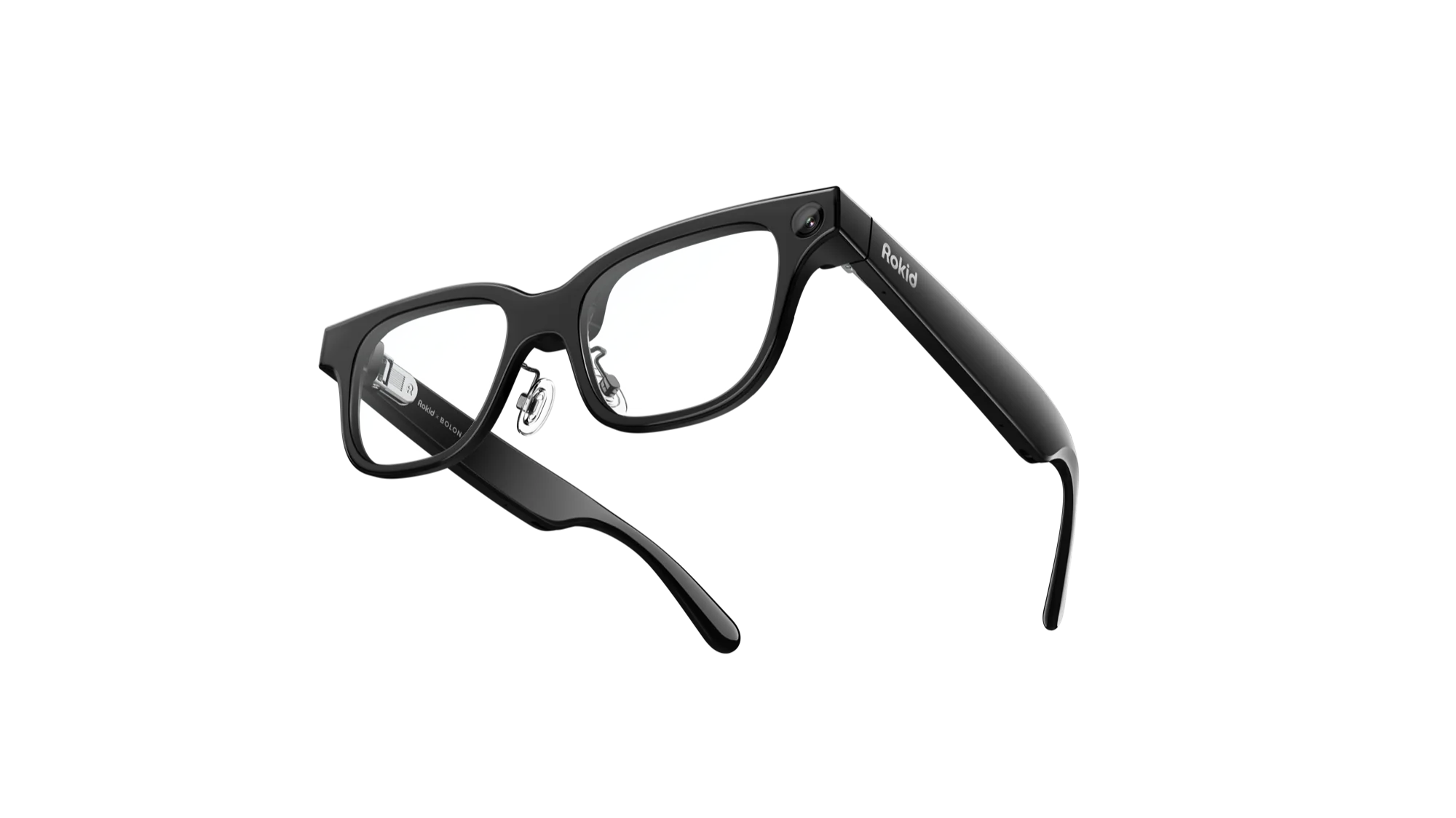
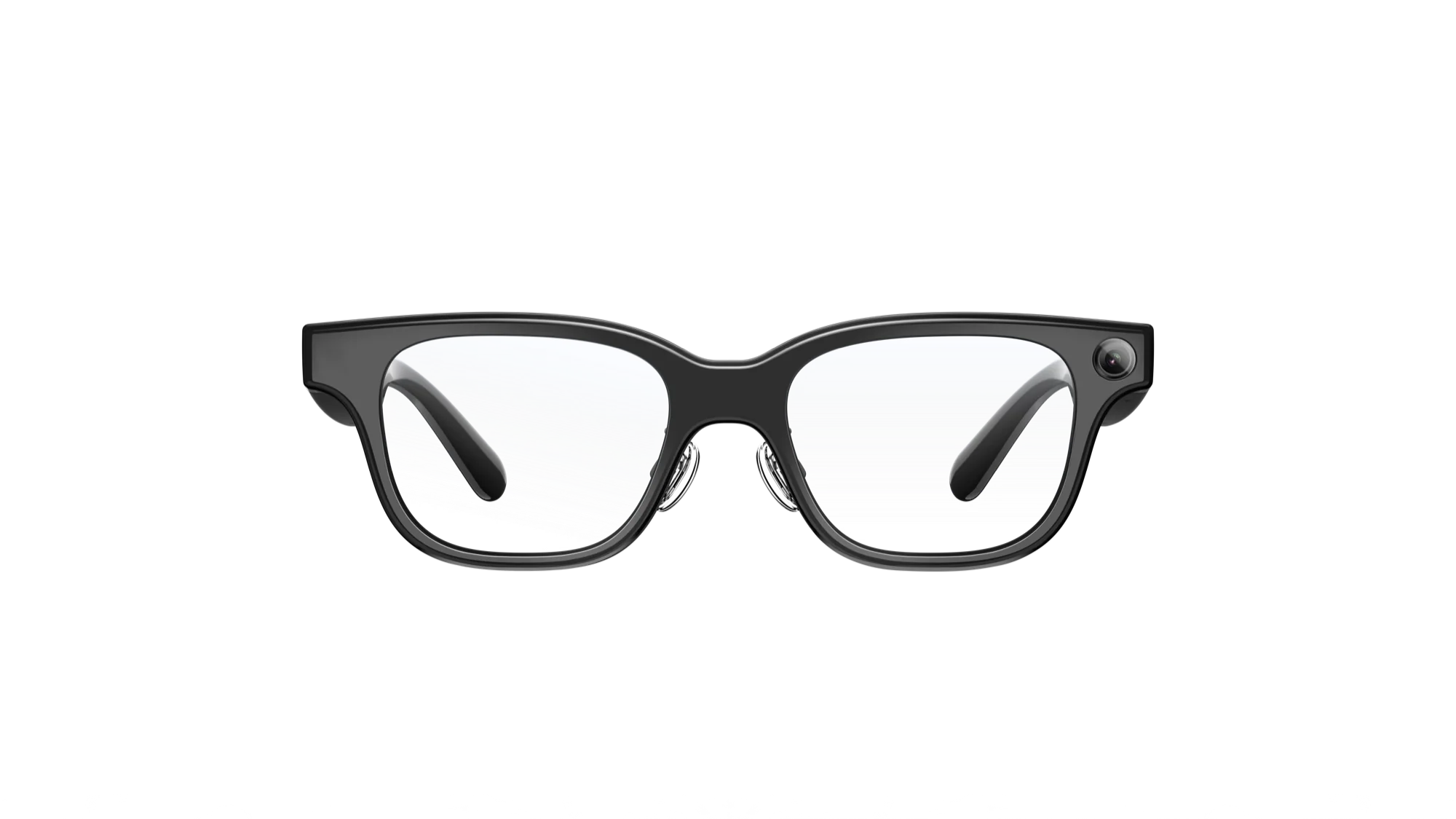 Front
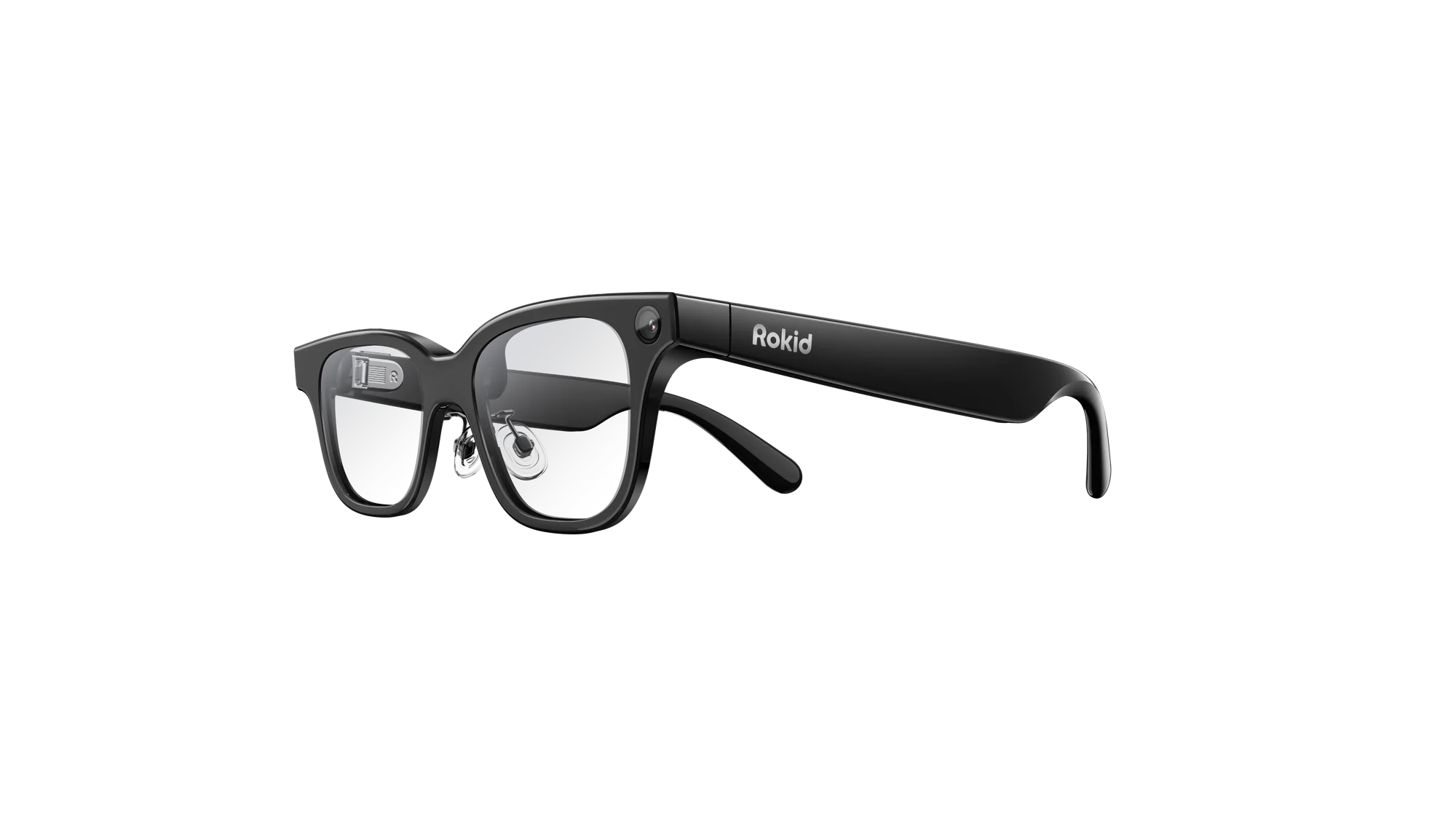 Side
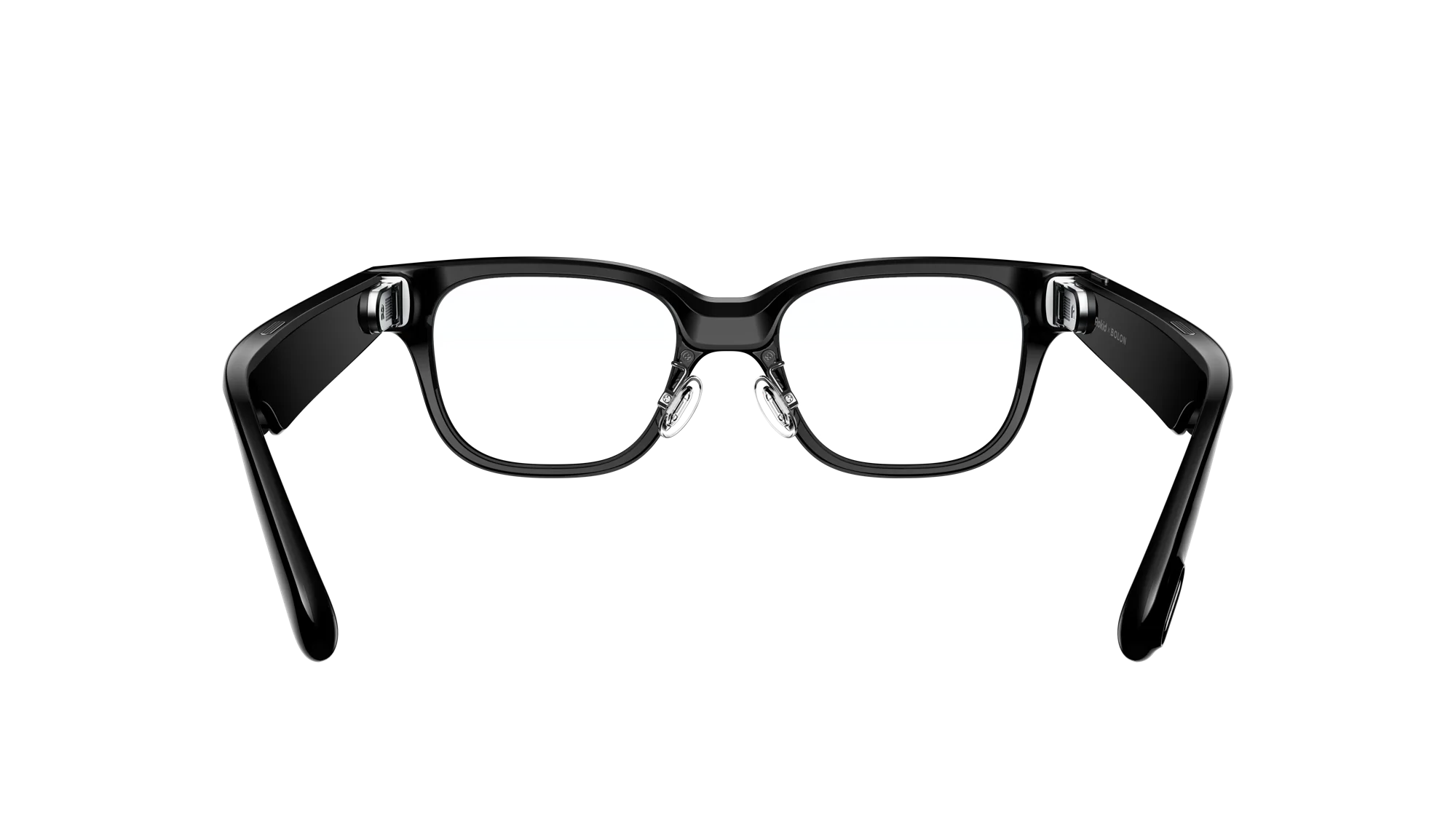 From the wearer’s side
Technical data: Rokid factsheet. Not independently tested by Inside China AI.
What the wearer sees
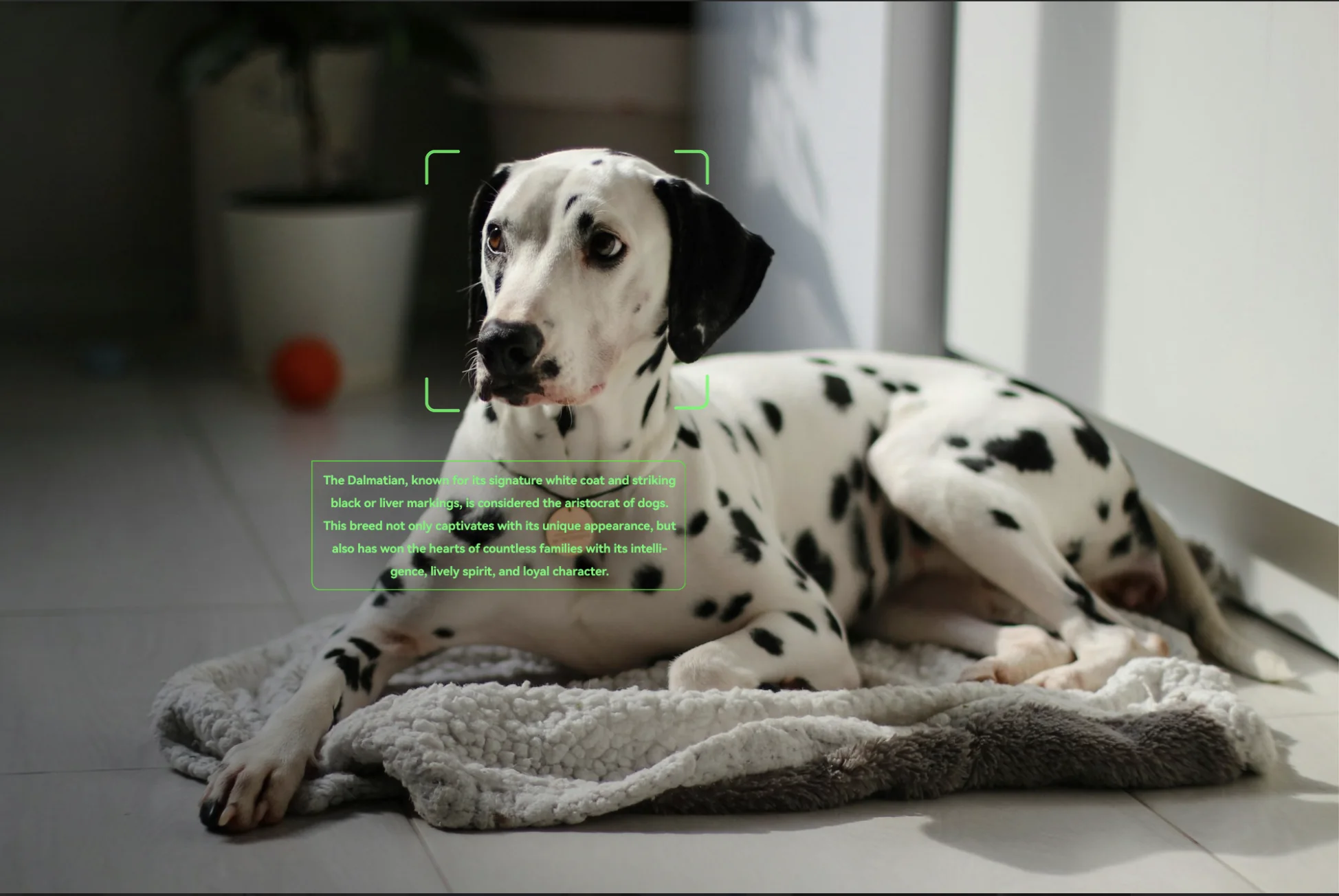
The display sits in the line of sight and shows only what is needed at that moment.




Where Rokid stands, and what comes next
Online first, then into shops: Rokid is building its European presence market by market.
- GermanyOfficial sales start on 29 April at €699, through Rokid’s own shop and Amazon.
- FranceAnnounced at VivaTech in June; launched at the SILMO optics fair in Paris with the optical chain Krys, shipping from 25 October.
- United KingdomRokid Glasses launch in the UK with a permanent display at Selfridges London’s Tech Bar (Technology Hall, Lower Ground Floor, 400 Oxford Street).
- Two-year guaranteePromised for some of the new products in the EU.
- Glasses without a cameraA new product line for people and places where a camera is not wanted.
Good to know for European buyers
Status at the time of the interview.
- Price
- From €699 in Germany for Rokid Glasses with display, €449 for the model without display at launch.
- Where to try
- Selected optical stores in France, Selfridges London in the UK, and Orange stores in Luxembourg, Rokid says. More shops are a priority.
- Guarantee
- One year on the current EU shop. Two years announced for some new products.
- Seller
- Rokid works with a local partner in each market. For Germany the partner had not been chosen yet.
- Data
- AI requests are handled by the assistant the wearer chooses, such as ChatGPT or Gemini, Rokid says.
Rokid Glasses in 35 seconds
How this report was made. Inside China AI attended Irene Long’s session at Web Summit in Lisbon on 12 November 2026 and interviewed her by video call on 20 November. The stage photo is ours. Rokid supplied the product images and video and approved the quotes. Market figures: Omdia for 2025; Counterpoint Research for the first half of 2026, as cited by Rokid. Technical data come from Rokid and were not tested by us. Our company profile of Rokid in the directory is researched and rated independently of this report.


Comments are closed